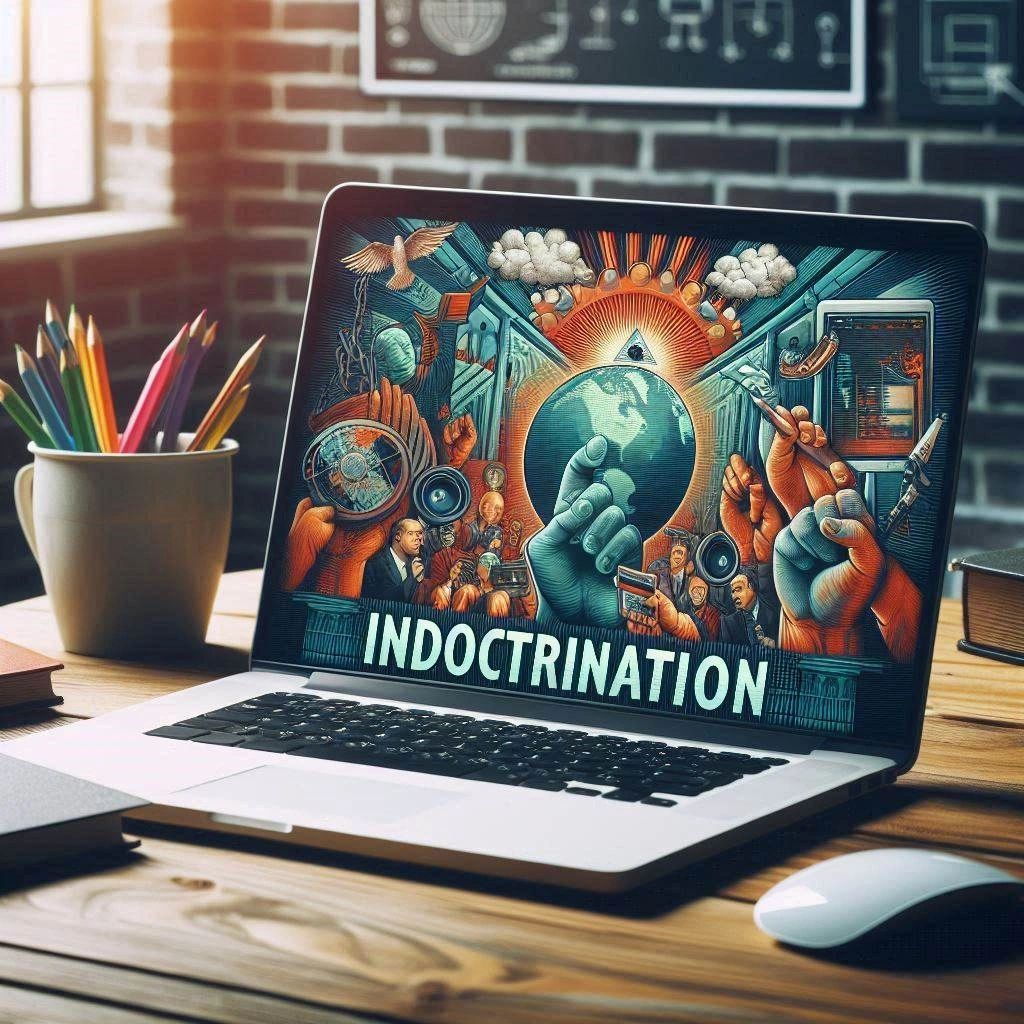
Extremist recruiters are using platforms like TikTok, Discord, and Telegram to quietly indoctrinate youth. Shawn Pardazi explains how these online spaces are manipulated for radicalization—and what signs parents and officers should watch for.
In today’s digital age, social media platforms like TikTok, Discord, Telegram, and various gaming chat rooms have become fertile grounds for religious extremists aiming to indoctrinate Western youth. These platforms, popular among younger demographics, offer anonymity and a vast audience, making them ideal for spreading extremist ideologies.
The Phases of Online Indoctrination
1. Exposure: Extremists create engaging content that resonates with youths’ interests, subtly introducing ideological narratives. This content often appears harmless, making initial detection challenging.
2. Identification: As youths consume this content, they begin to identify with the messages, feeling a sense of belonging or purpose.
3. Immersion: Gradually, individuals are drawn into exclusive groups or channels where the ideology is reinforced, and opposing views are discouraged.
4. Commitment: At this stage, individuals may be encouraged to take action, ranging from spreading the ideology further to engaging in more severe activities.
Platforms of Concern
• TikTok: With its algorithm-driven content, TikTok can inadvertently promote extremist content to susceptible youths.
• Discord: Originally designed for gamers, Discord’s private servers have been exploited by extremists to create echo chambers away from public scrutiny.
• Telegram: Known for its encrypted messaging, Telegram is favored by extremist groups for secure communication and dissemination of propaganda.
Signs Parents Should Watch For
• Sudden Behavioral Changes: Noticeable shifts in behavior, such as increased secrecy or withdrawal from family activities.
• Altered Online Habits: Spending excessive time on specific platforms or engaging with new, unfamiliar online communities.
• Adoption of New Ideologies: Expressing radical views or showing interest in extremist symbols and language.
Preventive Measures for Parents
• Open Dialogue: Maintain regular conversations about online activities and the potential dangers lurking in digital spaces.
• Monitor Online Engagement: Utilize parental controls and monitoring tools to keep track of the platforms and content your child engages with.
• Educate on Critical Thinking: Encourage skepticism and critical evaluation of the content they encounter online.
• Seek Professional Guidance: If signs of radicalization appear, consult with professionals who specialize in countering violent extremism.
The digital landscape is continually evolving, and so are the tactics of those who wish to exploit it for nefarious purposes. By staying informed and maintaining open lines of communication, parents can play a pivotal role in safeguarding their children against online radicalization.
Shawn Pardazi is a retired law enforcement officer who grew up in the Middle East and is the author of The Patriot Jihadi, a memoir detailing his experiences and insights into religious extremism.