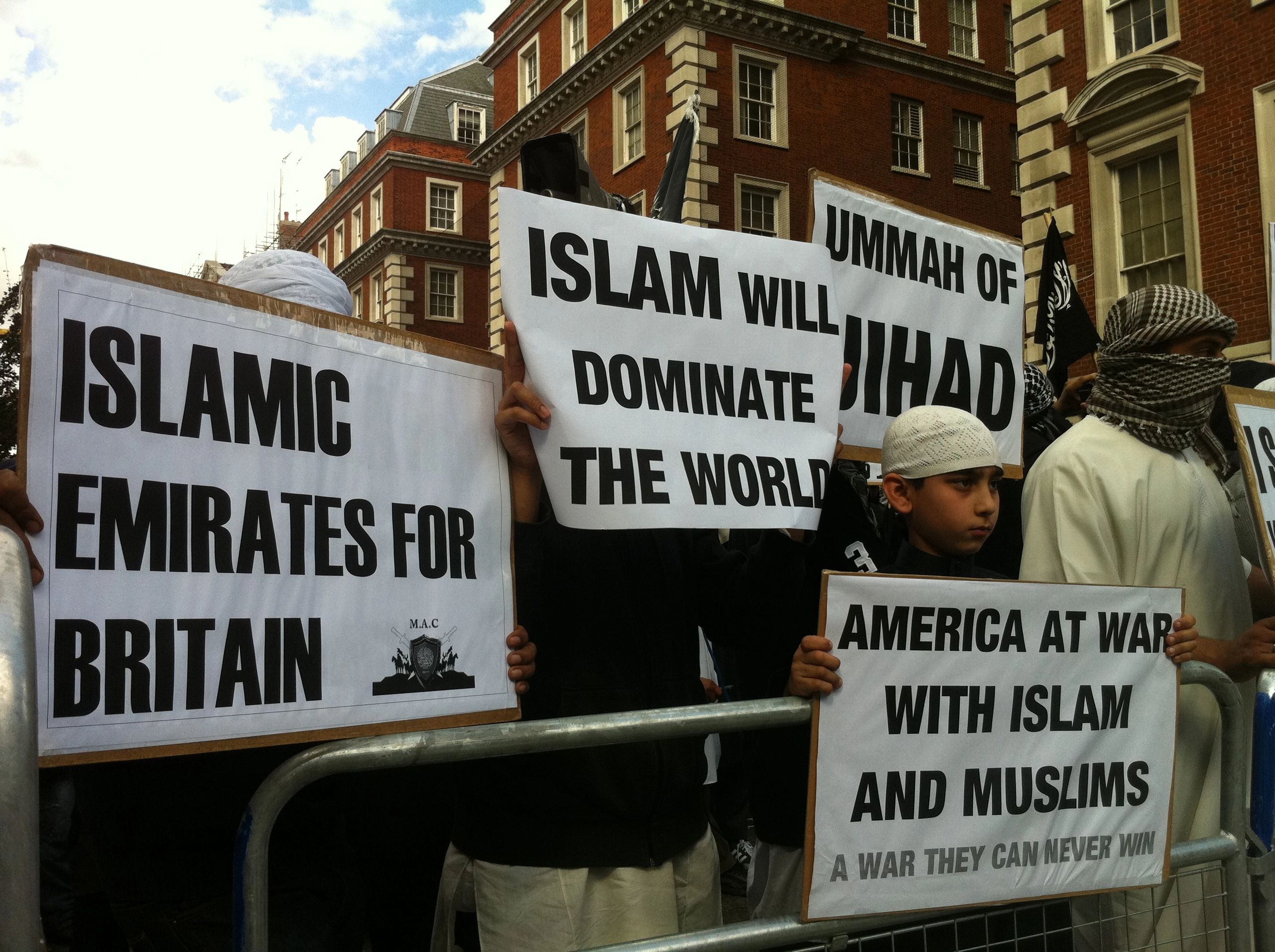
Islamism is a global threat-not a religion, but a political movement disguised as one. In this article, Shawn Pardazi breaks down the ideologies, sects, and recruitment methods that fuel extremist violence in both the Middle East and the West.
Islam, one of the world's largest religions, is deeply complex, with over 1.9 billion followers spanning the globe. The faith is broadly divided into two main sects: Sunni and Shia Islam. However, within these sects, there are over 140 sub-denominations, each with its unique interpretations, traditions, and cultural influences. The interpretation of the Quran is guided by various schools of thought, which involves exegesis (tafsir) of the sacred text. The tafsir is influenced by scholars from diverse backgrounds who utilize the Hadith to interpret the Quran—though not all Hadiths are accepted across different Islamic groups. This divergence in interpretation has led to theological debates and, in some cases, ideological clashes among various sects.
Sunni and Shia Islam: Differences and Subgroups
Sunni Islam, constituting about 85-90% of Muslims, follows the belief that leadership of the Muslim community should be determined by consensus rather than hereditary lineage. Within Sunni Islam, there are four major schools of jurisprudence: Hanafi, Maliki, Shafi'i, and Hanbali. Each school interprets Islamic law differently, leading to variations in religious practices. Additionally, Salafism and Wahhabism are fundamentalist offshoots of Sunni Islam that promote strict adherence to the Quran and Hadith, often rejecting modern interpretations and innovations in the faith.
Shia Islam, comprising approximately 10-15% of Muslims, holds that leadership should have remained within the Prophet Muhammad's family, specifically through his cousin and son-in-law, Ali. The largest Shia sect is Twelver Shia, followed by Ismailis and Zaidis. Each of these groups has distinct beliefs regarding the lineage of Imams and their religious authority. Differences between Shia and Sunni groups often lead to theological disputes, political tensions, and even sectarian conflicts in the Middle East.
Cultural Influence on Interpretation
Islamic practice is not monolithic. Local cultures heavily influence religious practices, leading to significant variations between Muslims from different regions. For example, Islamic traditions in Southeast Asia differ significantly from those in the Middle East or North Africa. This cultural embedding shapes the way religious texts are interpreted, further fragmenting Islamic thought and practice. These cultural nuances are crucial to understand when addressing issues of extremism and radicalization.
The Rise of Islamist Ideology and Extremism
While the majority of Muslims practice Islam peacefully, a minority of Islamist groups manipulate religious texts to justify violence and extremist agendas. Islamist ideology is a political interpretation of Islam that seeks to establish governance based on Sharia law, often disregarding human rights, democracy, and pluralism. Groups like Al-Qaeda, ISIS, and the Taliban use selective Hadiths and Quranic verses, often taken out of context, to radicalize followers and justify acts of terror.
This distortion of Islamic teachings fuels global fears of Muslims, contributing to both Anti-Muslim Sentiment and anti-Semitism. The actions of extremists not only endanger societies but also put Muslim communities at risk of discrimination and suspicion. Islamist groups exploit societal grievances, political instability, and economic hardship to recruit vulnerable individuals, both in the Middle East and the West.
Islamist Recruitment and Radicalization in the West
Islamist organizations use a variety of methods to recruit and indoctrinate Western youth, particularly those who are uninformed about the complex dynamics of the Middle East. Social media, online propaganda, and radical clerics play a significant role in shaping extremist narratives. These groups prey on individuals who feel isolated, marginalized, or disillusioned, offering them a false sense of purpose and belonging.
Radicalization often follows a predictable pattern: exposure to extremist content, engagement with radical ideologies, and eventual mobilization toward violent action. Some individuals are recruited to carry out attacks within Western nations, while others are persuaded to travel abroad and join terrorist organizations. Understanding these tactics is crucial in preventing homegrown terrorism and protecting at-risk individuals.
The Role of Law Enforcement, Intelligence Agencies, and Parents
Law enforcement officers are tasked with identifying threats and ideologies related to extremism to prevent mass casualties. Recognizing early warning signs of radicalization can help officers intervene before an individual becomes a threat to public safety. Intelligence personnel, on the other hand, are responsible for identifying groups and individuals who actively recruit Western actors to carry out attacks or join extremist causes abroad. Their work requires an in-depth understanding of Islamist recruitment tactics, ideological motivations, and communication channels.
Parents in the West often remain unaware of how young people are radicalized and influenced to join extremist groups. Many assume that radicalization only happens in distant war zones, but in reality, it is a growing problem within Western communities. Parents must be educated on the warning signs of radicalization, such as sudden changes in behavior, adoption of extremist beliefs, and engagement with radical online content.
A Comprehensive Solution: Education and Awareness
Shawn Pardazi, author of "The Patriot Jihadi", having personally experienced the radicalization process as a child in the Middle East and later serving in U.S. law enforcement for nearly three decades, has developed educational material to assist all these groups—law enforcement, intelligence personnel, and parents. Through his extensive knowledge of Middle Eastern culture, religious ideologies, and extremist recruitment tactics, he provides crucial training to help professionals and civilians detect and prevent radicalization.
His courses and public speaking engagements educate law enforcement officers on recognizing extremist ideologies and identifying radicalization signs. Intelligence professionals benefit from his insights into how Islamist groups operate and recruit members. Parents, meanwhile, gain the tools needed to safeguard their children from falling victim to radical influences. By fostering cooperation between law enforcement, intelligence agencies, and civilian communities, Shawn Pardazi’s work contributes to a more effective approach in countering extremism and preventing violence in Western societies.
Conclusion
Islam is a diverse and multifaceted religion with numerous interpretations, sects, and cultural influences. Understanding these complexities is essential in distinguishing between peaceful Islamic practices and the distorted ideologies used by extremists. By equipping law enforcement, intelligence personnel, and parents with the knowledge to recognize and counter radicalization, Shawn Pardazi’s educational efforts play a vital role in combating extremism while promoting inclusivity and understanding within society. For more information, visit https://www.ShawnPardazi.com