By Shawn Pardazi
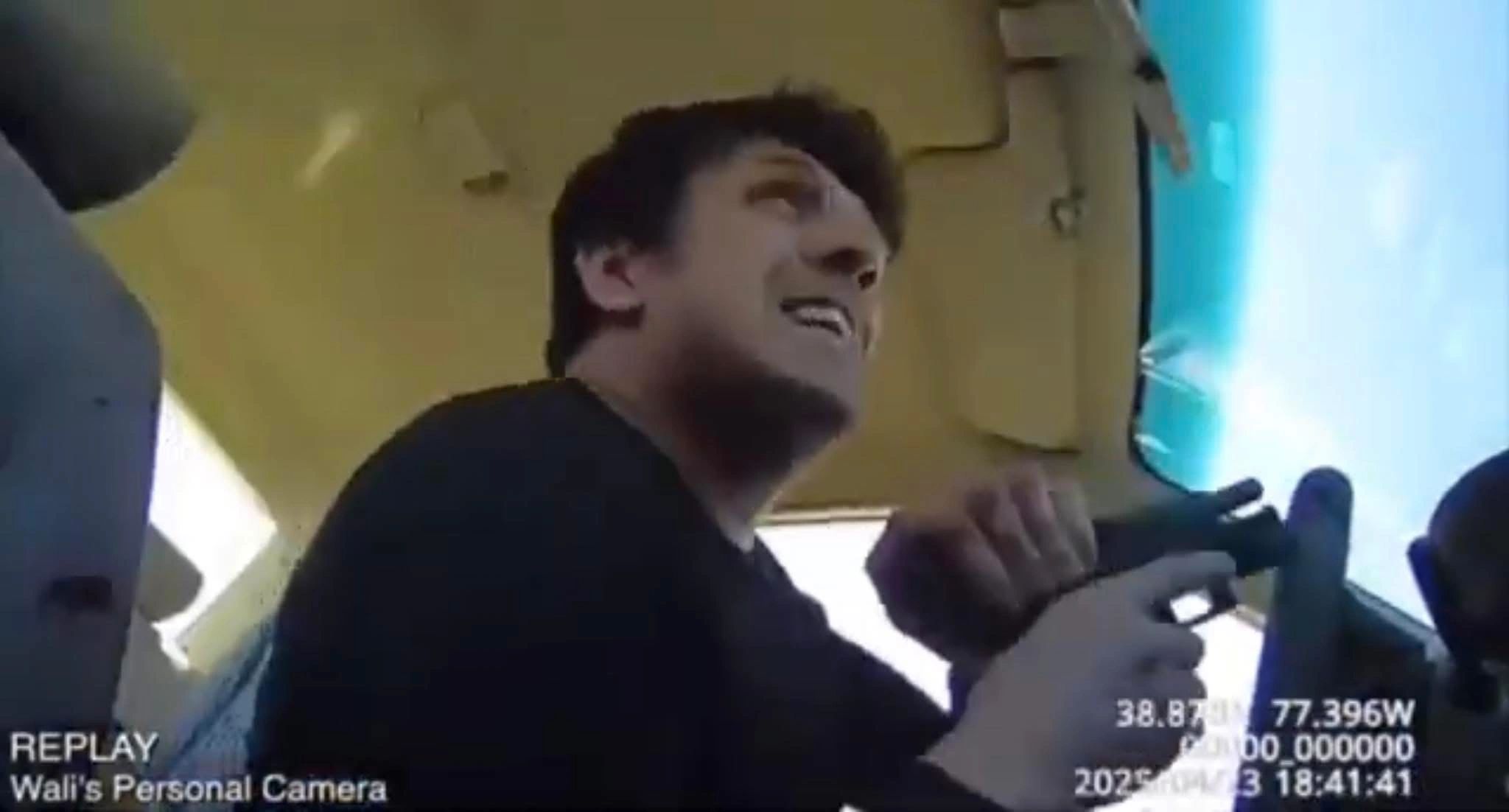
In April 2025, Jamal Wali, a former Afghan interpreter who served with U.S. Special Forces, was killed during a tragic shootout with police following a traffic stop in Fairfax County, Virginia. Thankfully, the officers came out of the situation unharmed. Their fast reaction likely saved their own lives and protected others in the area. At the same time, a man who had once fought side by side with Americans lost his life in a moment that was difficult and heartbreaking for everyone involved.
People are asking, why would someone who risked his life for the United States end up in this kind of situation?
Part of the answer has to do with stress, mental health, and daily pressures. But a bigger part of it lies in something we often overlook, and that’s culture.
You Can’t Solve What You Don’t Understand
I was raised in the Middle East and grew up around tribal values, traditional belief systems, and a very different view of loyalty and honor than what most people in the West are used to. Over the years, I’ve traveled to many countries across the region and built relationships with Middle Eastern families and communities here in the U.S. I’ve attended cultural events and heard their stories. I’ve seen how culture shows up in everyday choices and crisis moments alike.
That background has helped me spot things others miss. And it’s why I’m writing this, not to criticize police tactics, but to show how understanding culture can give officers one more tool that might prevent future tragedies like this one.
Pashtunwali: Loyalty That Doesn’t Adapt Overnight
Jamal Wali wasn’t just Afghan. He was Pashtun, and that matters. Pashtun culture is guided by a traditional code called “Pashtunwali”. It’s not written in law, but it’s lived out through action, reputation, and personal duty.
Here’s a quick way to understand what Pashtunwali looks like. You’ve probably heard of the story told in Lone Survivor, the book written by Navy SEAL Marcus Luttrell. After his team was ambushed by the Taliban, Luttrell was the only one who survived. Wounded and alone, he was rescued by a Pashtun villager named Ghulab and taken in by his tribe. The Taliban came looking for him, but the tribe refused to hand him over.
They didn’t do it for politics or money. They did it because Pashtunwali required them to protect a guest, even if it meant risking their own lives.
That same code of loyalty, protection, and sacrifice shaped how Jamal Wali saw the world. He served with U.S. Special Forces because he believed in the relationship and the mission. But once he got to the U.S., he found himself unemployed, isolated, and unable to care for his four children. He felt like no one remembered his service. No one called. No one helped.
To a man raised in Pashtun values, that felt like betrayal. In that moment, he didn’t feel like a hero. He felt like he had failed his family, and the people he thought would stand beside him had disappeared.
A Traffic Stop Gone the Wrong Direction
The officers in Fairfax did what they were trained to do. They responded fast, maintained control, and survived a dangerous encounter. This isn’t about second-guessing the outcome, their tactical capabilities or officer safety countermeasures. It’s about seeing how the situation may have turned emotional before it ever turned tactical.
This traffic stop went down a bad path, one that no one expected and no one wanted. From the outside, it looked sudden. From Jamal’s side, it may have been building for months, maybe years.
Culture Isn’t a Switch You Can Flip in a New Country
Here in the U.S., we often think that once someone arrives, they’ll start thinking like us. Like they’ll shed everything they learned growing up and instantly adopt the American mindset. But culture doesn’t work that way.
Even within America, someone from West Texas thinks and acts differently than someone from downtown Boston. So imagine how different life feels for a man from Kandahar trying to make ends meet in Fairfax, Virginia.
Jamal didn’t just lose his income. He lost his sense of identity and honor. And in his culture, failing your family or breaking a bond of trust isn’t just disappointing, it’s devastating.
This Isn’t Just Understanding. It’s Prevention
Cops are already stretched thin and carrying more responsibility than ever. This isn’t about blaming the officers involved. It’s about making sure we see the full picture.
When we understand culture, we’re more equipped to prevent things from going sideways. We’re able to notice when someone is in crisis, even if it doesn’t look like the kind of crisis we’re used to. And we’re better positioned to make decisions that protect everyone involved.
Here’s what cultural awareness adds to your toolkit: - A way to spot when someone feels trapped by shame, not just anger - A deeper understanding of how loyalty and honor affect behavior - The ability to engage with someone whose pride is collapsing in real time
This is about protecting lives - yours, theirs, and the people caught in between.
Where Those Like I Come In
Having grown up in the Middle East and after nearly 30 years in law enforcement in the U.S., including years working complex terrorism and transnational crime cases, I now focus on helping officers and agencies understand the cultural factors behind threats.
I created three courses to support this mission:
- A Martyr’s Psyche™ – focused on understanding how radical beliefs form and how they tie to personal identity - R.A.D.A.R.™ – helping officers identify warning signs early, before situations explode - Mules & Martyrs, Inc.™ – built for interdiction officers to learn how smuggling, culture, and ideology can mix in dangerous ways
I also speak to departments, civic groups, and corporate teams about how cultural awareness can lead to better decisions, stronger communication, and safer outcomes.
If you want to know more about my background, I explain my full story in my book The Patriot Jihadi, where I talk about growing up in Iran, becoming a child soldier, and eventually serving as a U.S. law enforcement officer. You can also find content and training clips at @ThePatriotJihadiShow on YouTube, or follow along on TikTok, Instagram, and Facebook.
Culture isn’t a crutch. It’s a lens. And when we learn to see through it, we don’t just survive, we lead.